
How to Choose a Contractor: 10 Steps Before You Hire
License, insurance, written quotes, references and a fair payment schedule: a simple 10-step checklist for hiring a home improvement contractor.
Published Oct 27, 2026. 3 min read.
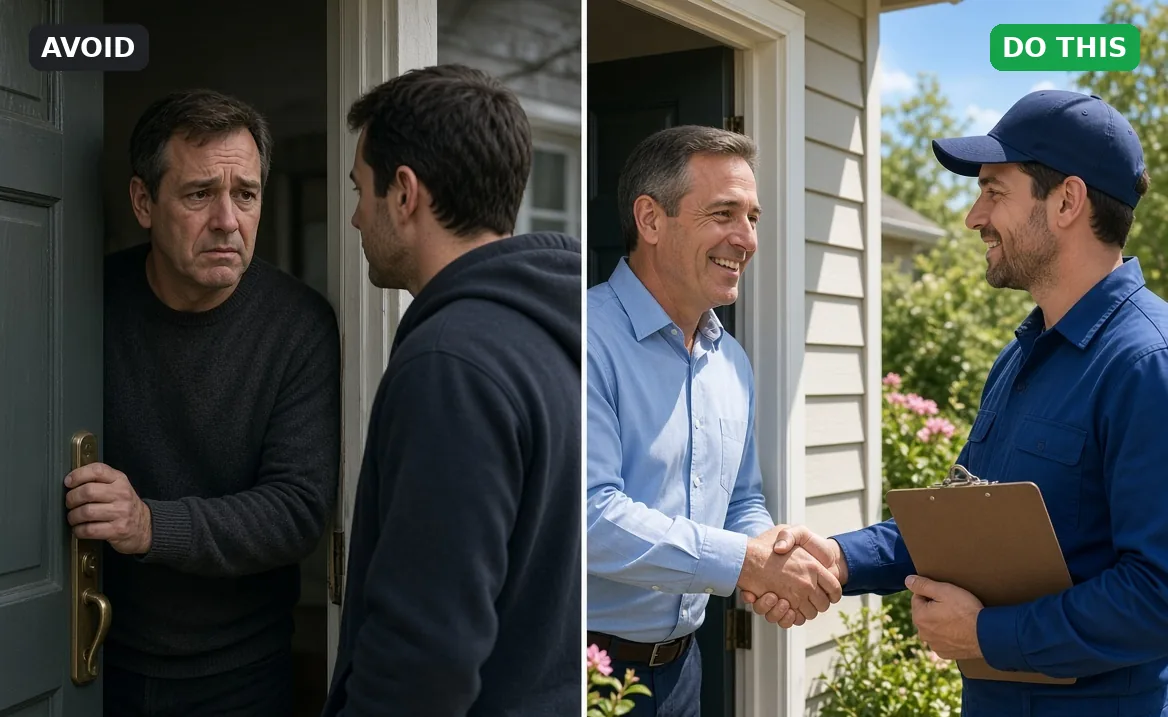
The right contractor matters more than the lowest price. A good one finishes on time, pulls permits and stands behind the work; a bad one can cost you twice. Use these ten steps before you sign anything.
1. Get recommendations
Ask neighbors, friends and local suppliers who they trust. People who see contractors' work every day — like lumber yard staff and building inspectors — often know who does it right.
2. Check the license
Most states license contractors for some or all home improvement work. look up the contractor's license on your state's official site and make sure it matches the business name on the quote.
3. Ask for proof of insurance
Ask for a certificate of general liability and workers' compensation insurance, sent directly from the insurer. Without it, an injury on your property could become your problem.
4. Read reviews and complaints
Look at recent reviews on several sites and check for complaints with the Better Business Bureau and your state attorney general.
5. Get at least three written quotes
Give each contractor the same scope so you can compare fairly — our quote request templates help. Then compare the quotes side by side.
6. Talk to references
Ask for two or three recent customers with similar projects. Ask whether the job finished on time and on budget, and how problems were handled.
7. Ask who does the work
Will the company's own crew do it, or subcontractors? Who is the on-site contact?
8. Confirm permits
A professional contractor pulls the permits. If someone asks you to pull them, or suggests skipping them, be careful.
9. Agree on a fair payment schedule
Pay a modest deposit and the rest in stages as work is finished. Some states cap deposits — California, for example, limits most home improvement down payments to $1,000 or 10% of the price, whichever is less.
10. Put everything in a written contract
Scope, materials, price, schedule, payment stages, warranty, permits, cleanup and change-order rules should all be in writing before work starts.
Download and use our contractor checklist when you interview contractors.
Frequently asked questions
How many quotes should I get from contractors?
Three written quotes is a good rule for most projects. Make sure all three price the same scope.
Is the lowest bid the best choice?
Not always. A low bid often leaves out work, uses cheaper materials or adds costs later. Compare what is included, not just the total.
What insurance should a contractor have?
At least general liability insurance and, if they have employees, workers' compensation. Ask for certificates sent from the insurer.
Sources
- North Carolina Department of Justice — Home repair scams and hiring tips
- Cinderblock — California contractor down payment limits
Prices are national ranges for planning only. Your price depends on your home, your region and the contractor. This guide is general information, not professional, legal or insurance advice.
This guide is general information, not legal advice. Rules differ by state and city; check with your state's consumer protection office or a local attorney.
Related guides
Hiring contractors
Questions to ask before you sign an HVAC contract
Equipment brand gets the attention, but sizing and installation decide how the system performs.
Oct 23, 2026, 1 min read
Quote tips
How to Compare Contractor Quotes (Without Getting Fooled by the Total)
The lowest total isn't always the cheapest job. A simple five-step way to compare contractor quotes fairly.
Oct 25, 2026, 2 min read
Hiring contractors
How Many Contractor Quotes Should You Get?
Three written quotes is a good rule of thumb. Here is why, and when one or two can be enough.
Oct 25, 2026, 1 min read